Trauma therapy in Palm Beach, Florida, Virtual Florida and Virtual Connecticut
Healing trauma isn’t about “getting over it.” It’s about helping your nervous system find safety again
When you’ve experienced trauma — whether a single event or years of chronic stress — your body and nervous system adapt to keep you safe. These survival responses are intelligent and protective. But when the danger is over, your system doesn’t always get the message.
You may find yourself living with:
A constant sense of anxiety or vigilance, even when nothing is “wrong”
Emotional overwhelm that feels unpredictable or hard to regulate
Sleep issues, chronic tension, or sudden bursts of panic
Feeling “numb” or disconnected from yourself or others
A sense that life is happening around you, not through you
Trauma recovery isn’t about erasing the past — it’s about creating the conditions for your nervous system to return to safety, regulation, and connection.
How Trauma Affects the Body & Mind
When something overwhelming happens, your nervous system kicks into fight, flight, freeze, or fawn. These responses are meant to be temporary. But when they don’t resolve, your system can become stuck in survival mode — leading to symptoms of PTSD, anxiety, depression, emotional dysregulation, and chronic stress.
Talk therapy alone can help you understand what happened, but it doesn’t always reach the deeper physiological layers where trauma is stored. That’s where body-based trauma work becomes transformative.
A Somatic & Nervous System–Based Approach
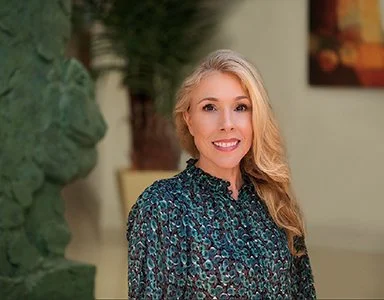
HI! I am Jennifer Goggin, LMHC, LPC, SEP— you can call me Jen. My approach to trauma recovery is gentle, attuned, and grounded in Somatic Experiencing and other nervous system–based modalities. We work together to create safety, track your body’s subtle cues, and slowly allow your system to complete the survival responses that were interrupted at the time of trauma.
This is not about reliving your trauma — it’s about helping your body do what it was wired to do all along: heal.
In trauma recovery sessions, we focus on:
Regulating your nervous system, so you feel calmer and more stable day to day
Releasing stuck survival energy, gently and at your pace
Building emotional capacity, so big feelings don’t overwhelm you anymore
Reconnecting with your body, yourself, and others from a place of safety
Cultivating resilience — not just managing symptoms, but creating real change
Who This Work Supports
This kind of work is particularly meaningful for individuals who have experienced:
Childhood trauma or difficult family dynamics
Medical trauma, accidents, or sudden shocks
Sexual assault or relationship trauma
Chronic stress, burnout, or emotional neglect
PTSD or complex trauma that hasn’t fully resolved through talk therapy
Many of my clients are high-functioning adults who have already done significant personal work — but still feel “stuck” in old emotional and physiological patterns. This approach meets you at that deeper level.
My Philosophy
Trauma recovery is a relational process. I bring a warm, steady presence, deep clinical experience, and an understanding that healing unfolds in layers — not on a timeline. My goal is to help you feel safe, seen, and empowered as you reclaim your capacity for joy, connection, and aliveness.
Begin Your Healing Journey
If trauma has shaped your nervous system, healing is absolutely possible — and it doesn’t have to happen alone.
Attachment and Relational Trauma & Healing
The Way We Learned to Connect Shapes the Way We Live, Love, and Relate — but it doesn’t Have to Define us Forever.
Our earliest experiences — with parents, caregivers, and family dynamics — set the blueprint for how we feel about ourselves and others. These attachment patterns often shape our adult relationships, even when we’ve done years of personal growth.
Many high-functioning adults begin to notice these dynamics more clearly over time. You might be successful in your work and thoughtful in your self-development, yet still find yourself repeating familiar patterns in relationships that don’t feel good.
You may notice:
A pattern of over-functioning in relationships while feeling unseen or unsupported
Difficulty trusting, opening up, or maintaining closeness
Feeling responsible for others’ emotions, often at the expense of your own
Getting “stuck” in anxious or avoidant patterns despite knowing better
A longing for deeper, more secure, and authentic connections
Awareness that childhood dynamics are still shaping how you relate today
This realization can feel both empowering and disorienting. The good news: attachment patterns can be healed. Your nervous system can learn new ways of relating, rooted in safety, presence, and choice.
Attachment Lives in the Nervous System
Attachment is not just psychological — it’s physiological. Our nervous systems wire themselves in response to our earliest relationships. When those early experiences were inconsistent, overwhelming, or neglectful, our systems adapt to stay safe — sometimes through hypervigilance, people-pleasing, withdrawal, or emotional numbing.
These patterns aren’t “character flaws.” They’re brilliant adaptations that once kept you safe. But as an adult, they can limit the depth of connection you crave.
A somatic and attachment-informed approach goes beyond intellectual insight to help your nervous system experience new relational possibilities.
How Relational & Attachment Healing Works
In therapy, we create a safe, attuned relationship where your body and mind can gently explore old patterns and experiment with new ways of being. We use somatic awareness, nervous system regulation, and attachment repair to help you shift from survival patterns to authentic connection.
Together, we’ll work to:
Identify and gently unwind attachment patterns rooted in early experiences
Regulate your nervous system so closeness and vulnerability feel safer
Explore and repair old relational templates through present-moment connection
Build awareness and skills for secure, reciprocal relationships
Experience what it’s like to be seen, felt, and accepted without performing or protecting
This is deep, transformative work — often subtle at first, but profoundly life-changing over time.
Who This Work Is For
Relational and attachment healing is particularly meaningful for individuals who:
Grew up in chaotic, emotionally unavailable, or high-pressure family systems
Struggle with intimacy, trust, or boundaries in relationships
Notice anxious or avoidant attachment patterns playing out repeatedly
Are exploring family-of-origin issues and want to integrate them more deeply
Are ready to move from understanding their patterns to changing them from the inside out
Many of my clients are thoughtful, growth-oriented adults who have already developed insight — now they’re ready to embody new ways of relating.
My Approach
I bring together somatic therapy, attachment theory, and over 20 years of clinical experience to support this layered work. My style is steady, warm, and attuned — creating a therapeutic relationship that becomes a safe base for exploration and healing.
Sessions are paced gently, always honoring your capacity.
Begin Your Relational Healing
Healing attachment patterns isn’t about becoming someone new — it’s about returning to your natural capacity for connection, regulation, and authenticity.
I offer sessions in person in Palm Beach (Delray Beach to Jupiter) and virtually throughout Florida and Connecticut.
FAQs on Trauma therapy
-
I help adults heal from childhood trauma, emotional neglect, relational trauma, assault, medical trauma, and trauma that shows up physically as anxiety, shutdown, or overwhelm.
-
No. My trauma therapy is gentle, paced, and does not require re-exposure. Safety and grounding always come first.
However, I have had people get memories back where there were none. we will learn to regulate through them.
-
Somatic experiencing® works at the level of the nervous system—where trauma actually lives. We help your body release stuck survival responses without forcing you to talk about the trauma over and over.
-
Absolutely. Virtual Florida and Virtual Connecticut Trauma therapy sessions are just as effective, and many clients feel safer in their own environment.
-
Yes. Trauma isn’t about memory—it’s about your body’s response. We work with sensations, patterns, and regulation, not just stories.
-
Yes. I specialize in C-PTSD, long-term relational trauma, and emotional abandonment.
Clients need to be in long -term stable recovery before starting this work. I generally work with high-functioning adults because I don’t not have the infrastructure to support someone otherwise.
-
That is a normal trauma response. We work very gently, always staying within your window of tolerance.
-
We focus on safety, grounding, and nervous-system mapping. You never have to go into your trauma story. In fact, I prefer you don’t since we don’t want to ingrain it any further.
-
Absolutely. Trauma impacts the entire nervous system and often shows up as anxiety, depression, irritability, or chronic overwhelm.