



TRAUMA THERAPY - VIRTUAL FLORIDA & CONNECTICUT
A Body-Centered Path to Trauma Healing
Trauma therapy





Trauma is not just a memory. It lives in the body. In the tightening of the chest before a conversation, the sudden heaviness that appears without warning, the way a smell or sound can return you somewhere you thought you'd left. Trauma therapy is the process of working with those responses, not fighting through them.
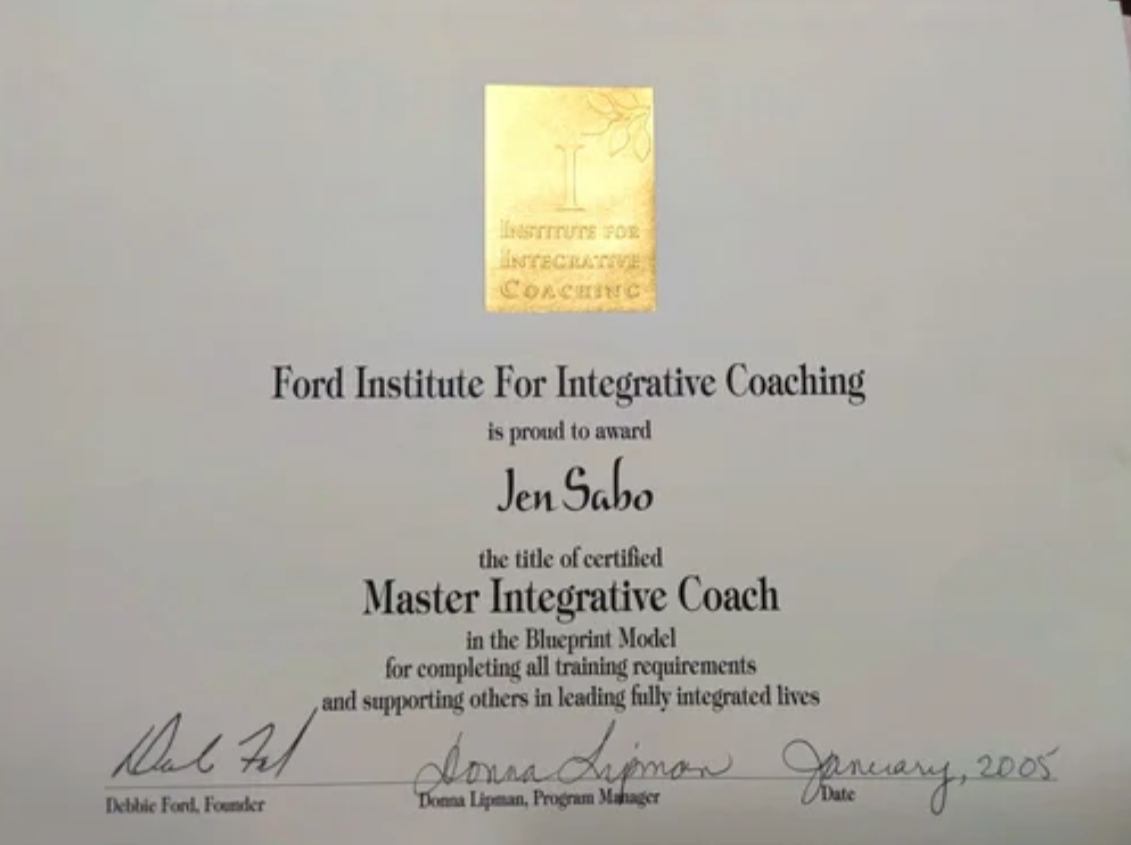
Hi! I'm Jennifer Goggin, LPC, LMHC, SEP. You can call me Jen. I'm a licensed psychotherapist and certified Somatic Experiencing Practitioner. At this practice, trauma therapy is built around Somatic Experiencing (SE), a body-centered approach developed by Dr. Peter Levine that works with the nervous system directly. You do not need to retell your story in detail. You do not need a diagnosis. You need a space where your nervous system can begin to complete what it was never able to finish.
Who Trauma Therapy Supports
Trauma therapy is specialized psychotherapy designed to help people process distressing experiences that continue to affect daily life. In the body, in relationships, in sleep, in how safe or unsafe the world feels. You do not need to have lived through a single catastrophic event to benefit from this work.
DOES THIS RESONATE?
ACUTE TRAUMA
Accidents, medical procedures, sudden loss, assault, and single-incident events that overwhelmed the nervous system's capacity to process
ATTACHMENT & RELATIONAL TRAUMA
Disrupted early bonding that shapes how we connect, trust, and regulate in adult relationships and within ourselves
DEVELOPMENTAL & CHILDHOOD TRAUMA
Emotional neglect, inconsistent caregiving, early loss, and environments where safety was unpredictable or conditional
MEDICAL & SOMATIC TRAUMA
Trauma held in the body after illness, surgery, or chronic pain, where the physical experience became part of the wound
COMPLEX PTSD (C-PTSD)
Prolonged or repeated trauma, often from relationships or systems, where a single-incident model does not capture the full picture
SECONDARY & VICARIOUS TRAUMA
Exposure to others' trauma through caregiving, first responder work, or clinical practice, where the body absorbs what it witnesses
The Approach
What Is Somatic Experiencing?
Most people are familiar with talk therapy: the process of narrating, analyzing, and reframing experiences through conversation. Talk therapy is valuable and has real benefits. But for many trauma survivors, talking about what happened activates the same nervous system response as the original event. The brain floods. The body braces. The session ends, and the person drives home feeling worse, not better.
Somatic Experiencing works differently. SE focuses on the body's physiological responses to threat: the activation patterns, sensations, and incomplete defensive responses that become frozen in the nervous system when trauma overwhelms our capacity to process.
I've been a Somatic Experiencing Practitioner (SEP) since 2007, trained and credentialed through Somatic Experiencing International. I also integrate CBT, relational and psychodynamic work, mindfulness, and parts-based approaches. I draw on whatever best serves you.
How SE works:
1. Tracking body sensations:we learn to notice what trauma actually feels like in your body, without amplifying it or suppressing it
2. Titration:we work with small, manageable pieces of what's difficult rather than flooding your system
3. Pendulation:we move between activation and settling so your nervous system learns it can come back to calm
4. Completing interrupted responses:we help your body finish the stress cycles that froze in place during the original event
5. Building resilience:we gradually expand your window of tolerance so more of life feels manageable and safe
RELATIONAL HEALING
Attachment and Relational Trauma
Not all trauma arrives as a single event. For many people, the deepest wounds come from what was absent, inconsistent, or unsafe in early relationships. Caregivers who were emotionally unavailable, households where love was conditional, environments where the child learned to manage a parent's emotional state rather than develop their own.
This is attachment trauma, and it shapes everything: how we relate to intimacy, how we handle conflict, how much we trust our own perceptions, whether we feel fundamentally worthy of care.
Relational trauma healing works not just by understanding these patterns intellectually but by experiencing something different. In the therapeutic relationship itself, a consistent, attuned, boundaried connection becomes a new data point for the nervous system. It does not erase early experiences, but it creates the possibility of something new.
This work is for people who:
Find themselves in repeating relational patterns despite wanting change
Struggle with intimacy, trust, or emotional regulation in relationships
Have done years of insight-based therapy and understand their patterns but cannot seem to shift them
Experience chronic feelings of shame, unworthiness, or disconnection that seem to have no clear origin

WHAT TO EXPECT
How TraumaTherapy Works
The first consultation is a conversation, not an interrogation of your history. Together, we explore what brings you here, what you've tried, and what you need. There is no pressure to share more than feels right. Building safety is not a preliminary step before the real work begins. It is the work.
From there, sessions unfold at a pace that matches your nervous system's capacity. Some sessions involve direct somatic work: tracking sensations, following impulses, titrating activation. Others feel more like a thoughtful conversation that happens to include attention to what the body is doing. Both are valid. Both are therapeutic.
Progress in trauma therapy rarely looks linear. You may feel lighter after some sessions and more stirred up after others. That is part of a process, not a sign that something is wrong.


A Note on This Work
Healing is not a performance. You do not need to cry in sessions to be doing it right. You do not need to report dramatic breakthroughs. What you need is a consistent space where your nervous system gradually learns that it is safe to settle. And where, slowly, what felt impossible begins to feel livable.

Get Started
Beginning Trauma Therapy in Florida & Connecticut
I offer a free 15-minute consultation so you can share what you're looking for and see if my approach resonates. Sessions are 55 minutes, always paced to your nervous system. I also offer secure telehealth throughout Florida and Connecticut.
Telehealth: Throughout Florida and Connecticut
Credentials: LPC, LMHC, Somatic Experiencing Practitioner (SEP)
Cost: $200.00 for a 55-minute session
FAQS
Frequently Asked Questions About Trauma Therapy in Florida & Connecticut
-
No. Somatic Experiencing does not require full narrative memory of traumatic events. The body holds and processes experience even when explicit memory is incomplete, fragmented, or entirely absent. Many people, including survivors of early childhood trauma, experience meaningful healing without ever reconstructing a linear account.
-
Freezing and dissociation are nervous system responses, not character flaws or signs that therapy will not work for you. SE is specifically designed to work with these responses, slowly, carefully, without flooding. Learning to recognize and gently work with your own shutdown response is itself a core part of the healing process.
-
Somatic Experiencing works at the level of the nervous system, where trauma actually lives. Rather than asking you to narrate and analyze your experiences through conversation, SE tracks what happens in the body moment to moment: a tightening in the shoulders, a shift in breath, the subtle impulse to move or pull back. By working slowly with these sensations, the nervous system can complete the responses that were interrupted during the original event.
-
Both are trauma-focused approaches, but they work through different pathways. EMDR uses bilateral stimulation and memory reprocessing, often starting with a specific traumatic memory. Somatic Experiencing works through body sensation and nervous system regulation without requiring detailed verbal recounting. SE is particularly well suited for people who find memory-based approaches activating rather than relieving. I can discuss which approach may fit better during a consultation.
-
Yes. Virtual sessions are effective for trauma work, including somatic work. The therapeutic relationship, attunement, consistency, safety, translates to a virtual format. Telehealth trauma therapy is available to clients throughout Florida and Connecticut.
-
Often, yes. Anxiety, depression, emotional exhaustion, and burnout frequently have unresolved trauma at their root, not always dramatic events, but accumulated stress, relational wounds, or prolonged periods of feeling unsafe or unseen. Addressing the underlying nervous system dysregulation through trauma therapy can shift these presentations meaningfully.
-
Yes. Complex trauma, the result of prolonged, repeated, or relational trauma, is the primary focus of this practice. C-PTSD requires a slower, more titrated approach than single-incident trauma, with particular attention to stabilization, relational safety, and nervous system tolerance. This is work I have trained specifically to do.
-
I help adults heal from childhood trauma, emotional neglect, relational trauma, assault, medical trauma, and trauma that shows up physically as anxiety, shutdown, or overwhelm. My approach through Somatic Experiencing® is particularly suited to developmental trauma, complex PTSD, and attachment wounds.
-
The first session is a conversation, not an interrogation of your history. Together, we explore what brings you here, what you've tried, and what you need. There is no pressure to share more than feels right. Building safety is not a preliminary step before the real work begins. It is the work.
-
Timelines vary significantly depending on the nature of the trauma, your history, and how you respond to the somatic approach. Many people notice meaningful shifts within 8 to 16 sessions, though complex trauma and developmental trauma often take longer. Progress rarely looks linear, and we pace the work to match your nervous system's capacity.
-
Absolutely. Trauma impacts the entire nervous system and often shows up as anxiety, depression, irritability, or chronic overwhelm. Many of my clients initially come in for anxiety or burnout and discover that unresolved trauma is driving the pattern. Addressing the underlying nervous system dysregulation can shift what talk therapy alone has not been able to reach.

Jennifer Goggin, LPC, LMHC, SEP, is a licensed psychotherapist and Somatic Experiencing Practitioner with over 20 years of clinical experience specializing in PTSD and complex trauma. She has held the SEP credential since 2007 and helps clients work with nervous system responses that can persist after overwhelming experiences, without requiring detailed retelling of their trauma. Her practice draws on Somatic Experiencing, CBT, and attachment-focused therapy, with a particular focus on C-PTSD and developmental trauma. She works with adults who want to move beyond understanding their patterns and toward meaningful, lasting change. Jennifer offers secure virtual therapy throughout Florida and Connecticut.